How Feedback During Documentation Saves Clinic Time
Immediate documentation feedback can shorten correction cycles and give clinicians and supervisors more time for the work that needs them.
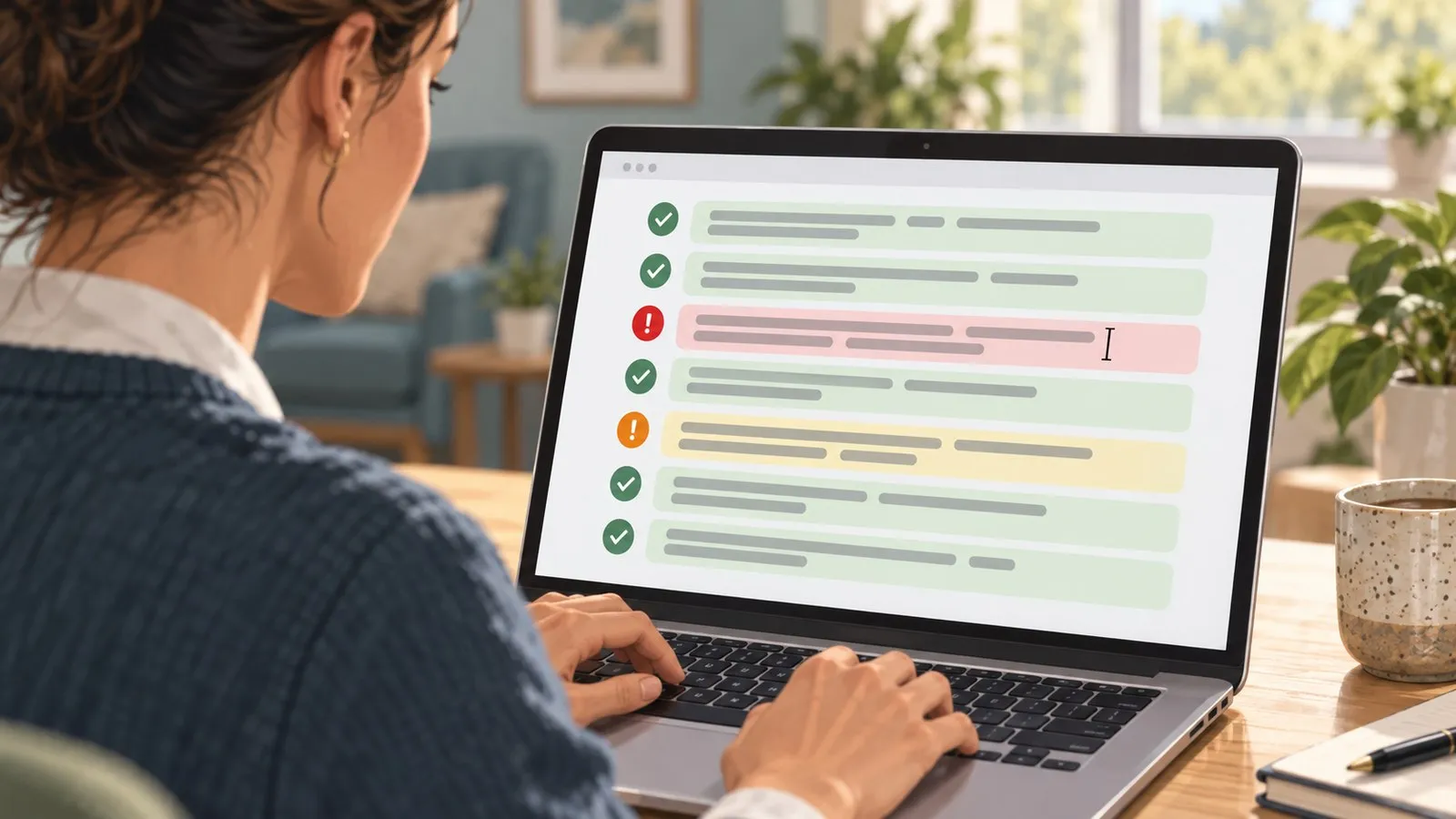
A small omission becomes another round of work
A clinician finishes a session and writes the note. Later, a supervisor notices that the note describes what the client discussed but does not clearly explain the intervention. The supervisor sends it back for clarification.
The clinician reads the feedback and sets aside time to address it. They reopen the record, review what they wrote, recall the session, and add the missing detail. Then they confirm the change and let the supervisor know. The supervisor returns to the note to check that the issue has been resolved.
The correction itself might be a sentence or two. The work surrounding it involves two people, several handoffs, and a return to a session that may no longer be fresh in the clinician’s mind.
That is where feedback during documentation can make a meaningful difference. When the clinician sees the gap while writing, they can address it before it becomes another task for the supervisor and another interruption to their own day.
What the correction cycle costs the team
Consider an example with five clinicians, each producing 200 notes a month. Together, they write 1,000 notes. Suppose 200 of those notes need clarification. We will compare the time required to resolve those same 200 gaps through later feedback and through feedback while documenting.
For a correction handled later, allow ten minutes of clinician time to read the feedback, reopen the record, recover the context, make the change, and notify the supervisor. Allow another five minutes of supervisor time to explain the gap and review the correction. That is fifteen minutes of staff time for one round.
Some corrections take another exchange before they are complete. If that happens with one in ten notes needing clarification, the team handles twenty additional rounds during the month.
Across the clinic, those corrections consume about 37 clinician hours and 18 supervisor hours. That is 55 hours spent returning to documentation and getting the gaps resolved. The time is spread across small tasks, but together it represents more than a full working week.
Address the gap while the note is open
Now imagine the clinician receives a specific prompt while writing: the intervention is not explicitly documented. The session is still fresh, the record is open, and the clinician can add an accurate description of what they did.
For a straightforward omission like this, allow thirty seconds to read the feedback, add the detail, rerun the check, and confirm the result. The correction becomes part of finishing the note.
In this workflow, AI checks each note against the clinic’s selected documentation requirements. Findings that the clinician can resolve stay with the clinician. Questions requiring interpretation or a more experienced judgment go to the supervisor.
Let’s allow for twenty such exceptions a month, or 2% of all the clinic’s notes. Give each exception ten additional minutes of clinician time and ten minutes of supervisor time. That leaves room for the more involved discussion and revision that a difficult finding may require.
With those exceptions included, the clinician work comes to about five hours a month. The supervisor work comes to about three hours. The straightforward gaps are addressed during writing, and the supervisor spends time on the questions that still need attention.
What the clinic gets back
Here is the monthly comparison for resolving the same documentation gaps, with hours rounded for readability.
| Staff time each month | Later feedback | Feedback while writing | Time recovered |
|---|---|---|---|
| Clinicians combined | 37 hours | 5 hours | 32 hours |
| Supervisor | 18 hours | 3 hours | 15 hours |
| Total | 55 hours | 8 hours | 47 hours |
For a five-clinician team, that is roughly six hours back per clinician each month. The supervisor recovers nearly two working days. Those hours can support client care, coaching, difficult cases, and the other responsibilities that compete with documentation follow-up.
To put a dollar value on that capacity, use $40 an hour for clinician time and $60 an hour for supervisor time. In this example, the recovered staff time is worth about $2,200 a month, or $26,000 over a year.
Broader checking offers another benefit. A clinic relying on spot checks could have more of its notes screened against its selected requirements. That expands coverage; the time comparison above concerns resolving the same gaps in both workflows. Earlier feedback gives the clinician a chance to complete the note before a supervisor has to return it.
Consider the cycle in your organization
Think about how documentation feedback moves through your clinic today. How much time passes between a supervisor identifying a gap and confirming that it has been resolved? How much attention do the clinician and supervisor give it along the way?
Then picture that feedback arriving while the clinician is still documenting the session. A clear prompt identifies what is missing, the clinician adds the relevant detail, and the note is checked again before the work moves on.
Our example puts the opportunity at about 47 staff hours a month. The reason is straightforward: resolving a small gap during the original work can avoid a much longer cycle of reopening, explaining, correcting, and reviewing.
That is the approach guiding our work at Everstone Health. We are developing tools that bring useful feedback into the clinician’s documentation workflow and help supervisors focus their attention where their experience is needed.