What Does the Unreviewed 90% Cost Your Clinic?
Documentation gaps can leave thousands of dollars in payment exposed. A simple outpatient example shows why the records outside a spot check deserve attention.

The cost of finding the problem
A supervisor can spend an afternoon reviewing records and find only a handful that need attention. Getting to those findings takes work. Someone has to open the charts, understand the visits, compare the documentation with the requirements, and decide where a clinician needs to take another look.
Much of that time goes into finding the problem. The supervisor reads complete notes alongside incomplete ones, working through the sample to identify the records that need attention. Those hours compete with staff supervision, clinical questions, and the other responsibilities of running a clinic.
That helps explain why an organization might review only 10% of its records. The sample makes the workload manageable and gives leadership some visibility into documentation quality. It also leaves most of the records outside that review. Any payment-related gaps in those records can remain unnoticed while the clinic continues to deliver care and submit claims.
What could be sitting in the other 90 percent
Imagine an outpatient clinic completing 1,000 visits each month, with $100 in payment for each visit. That is $100,000 in monthly payment supported by the clinic’s documentation. Suppose one in ten records contains a gap that could affect payment. The clinic now has $10,000 tied to records that need attention.
The gap might be a missing explanation of the service provided or an incomplete account of the work supporting the claim. The clinician may have information that would help resolve the question, but someone has to identify it and bring it back to them.
If the clinic reviews a random 10% sample and catches the gaps within it, it would find about ten of those affected records on average. That brings roughly $1,000 in associated payment into view. The other 90 affected records, representing $9,000, remain outside the sample.
That is a meaningful amount of payment to leave tied to documentation nobody has checked through this process. The clinic has already invested staff time in delivering the visits and preparing the claims. A limited review process leaves it with limited visibility into the records supporting that work.
Spot checks can reveal recurring problems and lead to better training. But identifying a pattern does not by itself resolve the individual records already sitting in the backlog. Those records still need to be found and addressed.
Earlier findings are easier to act on
A question about a note is easier to work through when the clinician has just completed the encounter. The visit is still fresh, relevant information is close at hand, and reviewing the question fits naturally into finishing the documentation.
When the same question arrives weeks later, the work becomes more involved. The clinician has seen many other patients. They need to reopen the chart, review the available information, and recover the context before addressing the gap. A supervisor may need to follow up, while billing staff wait for an answer or work through a payment question.
Delay adds work around the correction itself. It can also make a question harder to resolve as the details of the encounter become less immediate. Finding the record sooner gives the team a better opportunity to address it while the information is useful and the work is still familiar.
For an owner, that connects review coverage with timing. A process that reaches only a small sample leaves many records without that opportunity for early attention.
Use software to help find the records that need attention
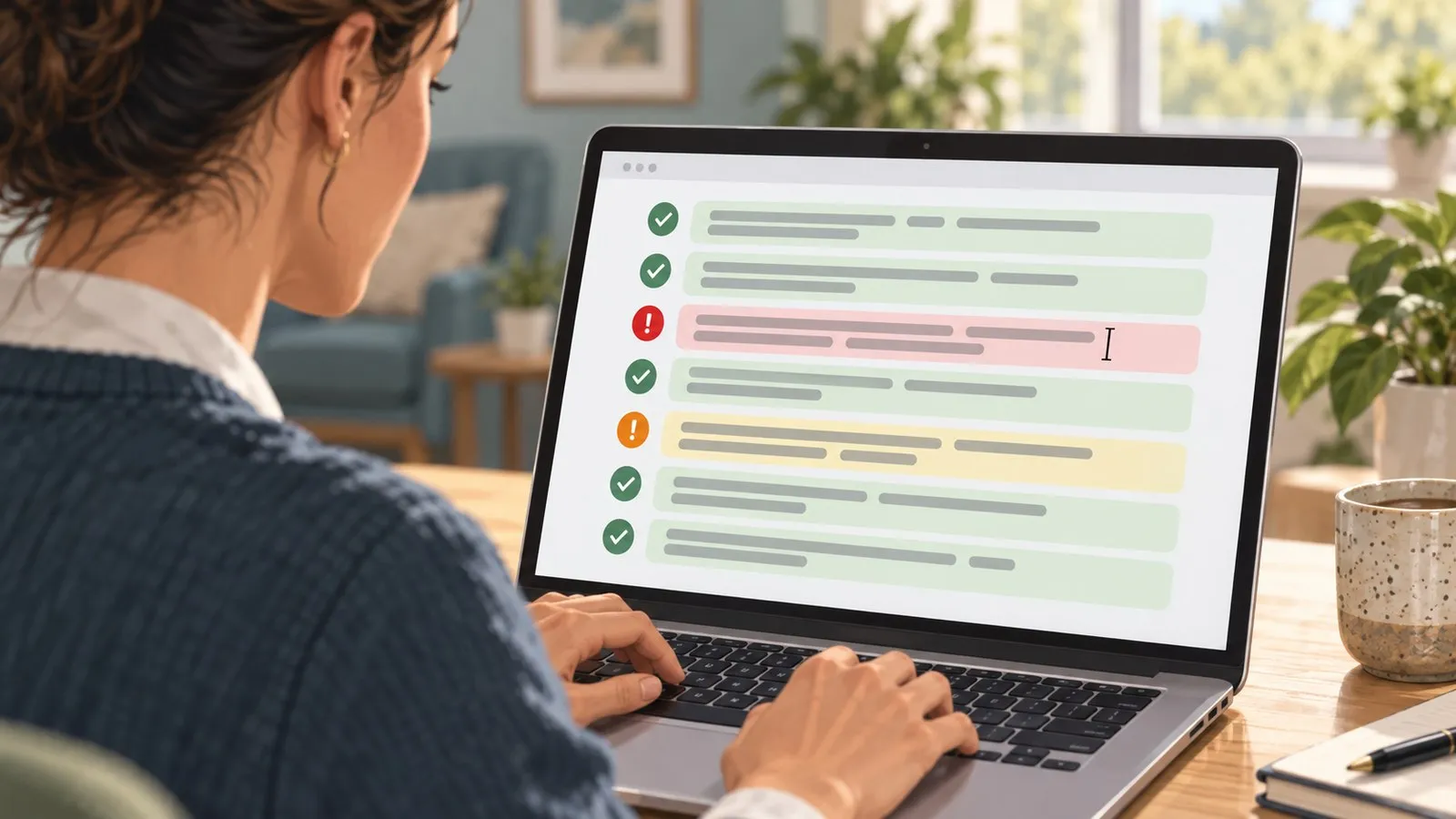
Expanding review manually means asking experienced staff to spend more time searching through records. Software offers a way to extend the initial check and bring potential gaps to the people who can assess them.
Instead of starting with an undifferentiated pile of documentation, a clinician could receive a specific question about a particular note. A supervisor could concentrate on findings that need interpretation or further guidance. The organization could see which records are waiting for attention and where the same problems keep appearing.
That is the improvement worth pursuing: make it easier to find the documentation that needs a second look, then get the question to the right person early enough to act. Broader screening creates more opportunities to address gaps across the clinic’s work, beyond the small portion selected for a manual spot check.
Make the hidden exposure visible
In our example, $10,000 in monthly payment is tied to records with documentation gaps, and about $9,000 of it sits outside the sample. Those numbers give an owner a reason to look beyond the hours spent conducting reviews and consider the payment exposure that limited coverage leaves unseen.
A more useful review process would help the clinic see more of that work and bring potential problems forward while clinicians can address them. That is a practical business problem worth solving.
At Everstone Health, we’re building software to help clinics bring more of their documentation into review and direct attention to potential gaps earlier. The aim is to help clinicians address questions while the work is still fresh and give owners a clearer view of the problems waiting for attention.